










1- Present perfect continuous tense
1.1- Introduction:
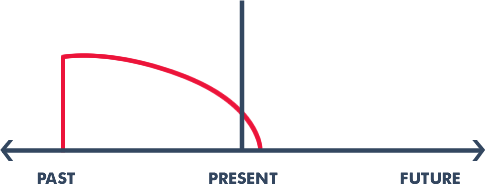
We use this tense when we want to talk about an action that started in the past and it is still going on, or the action has just finished. It is sometimes called present perfect progressive because it shows the progress of the action.



1.2- Grammar
Look at the following chart for the explanation:
|
Positive or affirmative sentences |
||
|
He – she – it |
+ has been + |
Verb + ing form E.g.: dancing |
|
I – you – we – they |
+ have been + |
Verb + ing form E.g.: dancing |
E.g: He has been dancing
We have been dancing
|
Negative sentences |
||
|
He – she – it |
+ has not been + |
Verb + ing form E.g.: dancing |
|
I – you – we – they |
+ have not been + |
Verb + ing form E.g.: dancing |
E.g: He has not been dancing
We have not been dancing
|
Interrogative sentences |
||
|
Has + he – she – it |
+ been + |
Verb + ing form Eg: dancing |
|
Have + I – you – we |
– they + been + |
Verb + ing form Eg: dancing |
E.g: Has he been dancing?
Have we been dancing?
2- Contract words
There are different ways to contract words when using the present perfect continuous tense:
2.1- In affirmative sentences
You can join the subject with the auxiliary have or has by adding an apostrophe at the end of the pronoun and omitting the first 2 letters (ha) in both cases. Eg:
- I have been I’ve been
- She has been She’s been
- We have been We’ve been
2.2- In negative sentences
You can join the subject with the auxiliary have or has by adding an apostrophe at the end of the pronoun and omitting the first two 2 letters (ha) in both cases. Eg:
- I have not been I’ve not been.
- She has not been She’s not been
- We have not been We’ve not been
You can join the ‘auxiliary’ with ‘not’ in negative sentences by adding an apostrophe between “n” and “t” in not and omitting the vowel “o” Eg:
- I have not been I haven’t been
- She has not been She hasn’t been
- We have not been We haven’t been
2.3- In interrogative sentences
There are no contracted forms in interrogative sentences.
2.4- When do I have to use the present perfect continuous tense?
There are 3 main uses for the present perfect continuous tense:
a. To express long actions that started in the past and continue until now.
E.g.: I’ve been living in Ireland for almost 4 years.
b. To express recent actions that have clear evidence or results in the present.
E.g.: Her eyes are red because she has been crying all evening.
c. To express temporary situations with duration over time.
E.g.: Have they been learning English this week?
3- Examples
Look at the following examples:

“Tom has been driving for three hours, and they haven’t arrived yet”.
An action that started in the past and continues until now.

“Sasha is so tired! She has been playing football every day since Monday”
An action that started in the past and has just finished.

The baby has been sleeping the whole morning.
An action that started in the past and continues up til now.